
Legacy system integration strategy: connect old software without creating a bigger mess
Legacy system integration strategy for ERP, CRM, finance, and back office tools: ownership, APIs, failure handling, and a 30-day pilot.
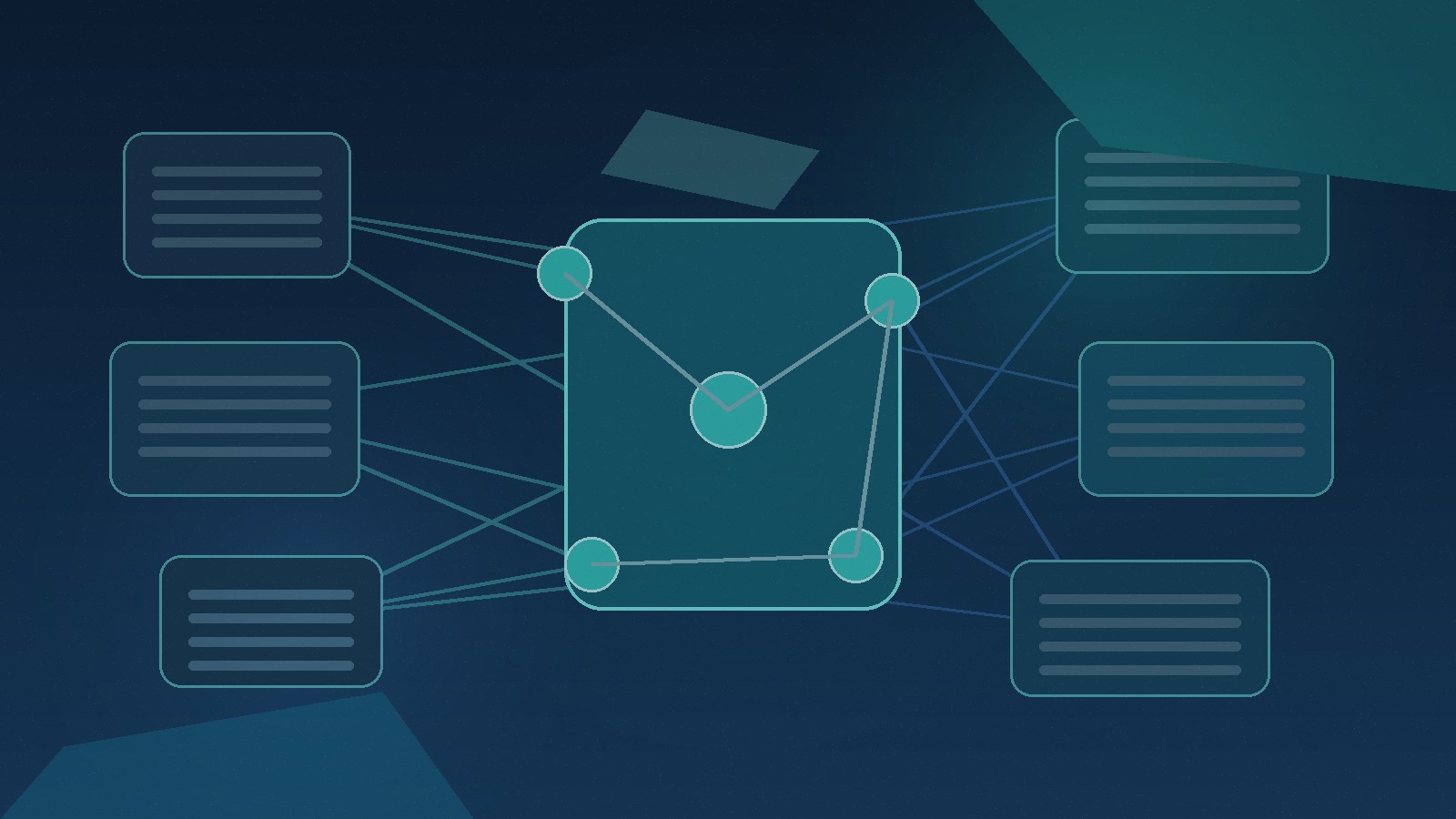
Legacy system integration strategy sounds like a boardroom phrase until payroll depends on a database nobody wants to touch. Then it becomes very concrete. A customer changes an address in the CRM, the billing tool does not see it, support opens a ticket, finance exports a spreadsheet, and someone spends Friday afternoon reconciling records by hand.
Most companies do not need to replace every old system at once. That is usually too expensive and too risky. They need a sane way to connect the old system to the work happening around it, while they decide what should stay, what should move, and what should finally die.
This guide is for teams planning a legacy system integration strategy around ERP, CRM, warehouse, finance, manufacturing, insurance, or internal back office tools. The goal is simple: move data reliably without pretending the old system is better than it is.
Legacy system integration strategy starts with ownership
Before choosing APIs, middleware, or a rewrite, write down who owns the data. This sounds dull. It saves money.
For each business object, name one source of truth:
A common failure pattern is two systems both acting like the owner. Sales updates customer terms in the CRM. Finance updates terms in the accounting system. The integration copies values both ways. For two weeks everything looks fine. Then a timing issue overwrites the wrong field and nobody trusts either screen.
A better rule: one system owns the record, other systems request changes or receive copies. If the legacy ERP owns invoices, the new portal should not invent invoice statuses. It should display the ERP status and send requests through a controlled path.
Map integration patterns before writing code
Legacy integration fails when teams treat every connection the same. A nightly CSV export is not the same as a real time payment check. A read-only reporting feed is not the same as an order creation endpoint.
Use four patterns as the starting menu:
Pick the weakest pattern that safely solves the problem. Do not force event architecture onto a monthly finance export. Do not run a once-a-day CSV for stock checks that decide whether an order can be accepted.
Legacy software integration needs a boundary layer
A boundary layer is a small service between the old system and the new tools. It translates formats, validates fields, handles retries, logs errors, and gives modern applications one place to call.
Without that layer, every new app learns the legacy system's bad habits. Date fields leak in three formats. Status codes need tribal knowledge. Authentication gets copied into scripts. When the legacy system changes, five integrations break instead of one.
The boundary layer does not have to be grand. For one client, a useful first version might be three endpoints: search customers, create service request, check invoice status. Add audit logs, rate limits, and a retry queue. That is already a safer foundation than direct database writes from a new web app.
If you already have a modernization plan, compare it with our legacy system modernization guide. Integration and modernization are connected, but they are not the same decision.
Prioritize integrations by risk and business value
The first integration should hurt enough to matter and be narrow enough to finish. A good pilot removes repeated manual work without touching the riskiest transaction path on day one.
Score candidates with five questions:
A practical first target might be customer status sync from ERP to CRM, invoice status lookup for support, stock availability checks for sales, or supplier data validation before ERP entry. Avoid starting with the most political workflow. Politics slows technical work more than old code does.
Design failure handling as part of the integration
Legacy systems are often slow, locked during batch jobs, or reachable only through brittle connectors. Treat failures as normal events, not rare exceptions.
Plan for:
One simple reconciliation report can prevent weeks of argument. If the integration says it sent 1,248 invoices and the ERP accepted 1,246, the report should name the two missing records and explain why they failed.
Plan security and compliance early
Old systems often predate modern access control. That does not mean the new integration can ignore it. In fact, the connector may become the most sensitive part of the setup because it touches several systems at once.
At minimum, decide:
For EU companies, GDPR questions show up quickly. If customer or employee data moves between tools, document the purpose, retention, access, and deletion path. Security review is cheaper before the connector exists.
Build a 30-day pilot instead of a permanent maze
A legacy system integration strategy should start small enough to prove. Thirty days is usually enough to learn whether the old system can support the plan.
A useful pilot shape:
Do not call the pilot done because the happy path worked once. Call it done when the team has seen missing fields, duplicate records, downtime, permission problems, and reconciliation. That is where integration work earns trust.
For scoping the pilot, a short software discovery phase can be enough. You do not need a six-month transformation program to decide whether one integration is worth building.
Common legacy system integration mistakes
The first mistake is writing directly to a production database because it is fast. It is fast until one column means something different than expected.
The second mistake is syncing everything. More data creates more ownership disputes, more privacy exposure, and more support work. Sync only the fields the workflow needs.
The third mistake is hiding errors in logs nobody reads. If operations owns the process, errors should land where operations works: email, ticket queue, dashboard, or a review list.
The fourth mistake is building one-off scripts without a handover plan. A script written by one developer can become a shadow system. Give every integration a runbook, owner, alert path, and deployment process.
FAQ: legacy system integration strategy
What is legacy system integration?
Legacy system integration connects an older business system to newer applications, reporting tools, portals, or automation workflows. The aim is to share data safely without replacing the old system immediately.
When should a company integrate a legacy system instead of replacing it?
Integrate when the old system still runs important work, replacement would take too long, and a narrow connection can remove manual handoffs now. Replace when the old system blocks core business changes, has no safe access path, or costs more to protect than to rebuild.
What is the safest legacy system integration pattern?
The safest pattern depends on the workflow. Read-only reporting can use exports or replicas. Transaction workflows usually need an API wrapper, queue, validation, idempotency, and clear failure handling.
How long does a legacy integration project take?
A narrow pilot can take 4 to 8 weeks if test access and owners are ready. Larger programs take longer because of data cleanup, security review, vendor limits, and business process changes.
What should be included in a legacy system integration plan?
Include data ownership, integration patterns, field mapping, failure handling, security, test data, rollout steps, monitoring, support ownership, and success metrics.
Make the old system less painful before replacing it
Syntanea helps companies connect old systems to new software without turning the integration into another fragile dependency. We map the process, design the boundary layer, build the connector, and leave the team with logs, runbooks, and a path for the next step.
If your ERP, CRM, or internal database is slowing down a useful product or workflow, talk to Syntanea. We can help you decide what to connect, what to protect, and what not to touch yet.